
Education & Resources
Air quality is known and valued to ensure clean, healthy air for today and tomorrow.
Keep Up To Date with the latest News & Data.
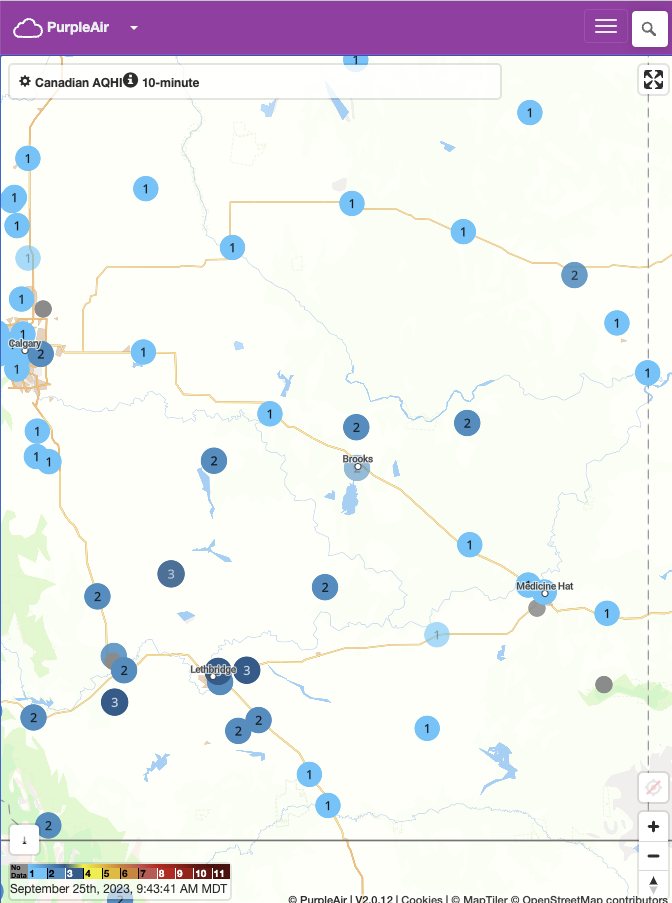
Purple Air Network Expansion September 2023 Welcome Prairie Rose School Division- Foremost, Jenner, Irvine, and Ralston Schools
PurpleAir sensors measure airborne particulate matter (PM): dust, smoke, and tiny bits of other materials. These inexpensive devices use a laser beam to count the number and size of particles as they pass through a sampling chamber. The result is expressed on a scale of 0 (low) to 500 (high) to describe the average concentration of particles small enough to affect human health (2.5 μm or less).
PurpleAir sensors are used in many countries in a variety of “citizen science” and educational projects. In the spring of 2022 PAS purchased and installed three sensors. In addition Environment and Climate Change Canada (ECCC) donated 19 sensors which PAS has installed in communities across our Airshed.
Here is a complete list of PAS communities hosting PurpleAir sensors: Acadia Valley, Bassano, Bow Island, Brooks, Consort, Duchess, Foremost, Empress, Hanna, Irvine, Jenner, Medicine Hat (Crescent Heights and Desert Blume Golf Course), Milk River, Oyen, Ralston, Raymond, Redcliff, Stirling, Vauxhall, Warner, Youngstown.
PAS would also like recognize Alberta Parks and ECCC for the sensor installed at Cypress Hills Provincial Park.
PAS would like to continue to expand our network of PurpleAir sensors in southeastern Alberta. If your school or community organization is interested in this project, please contact us.
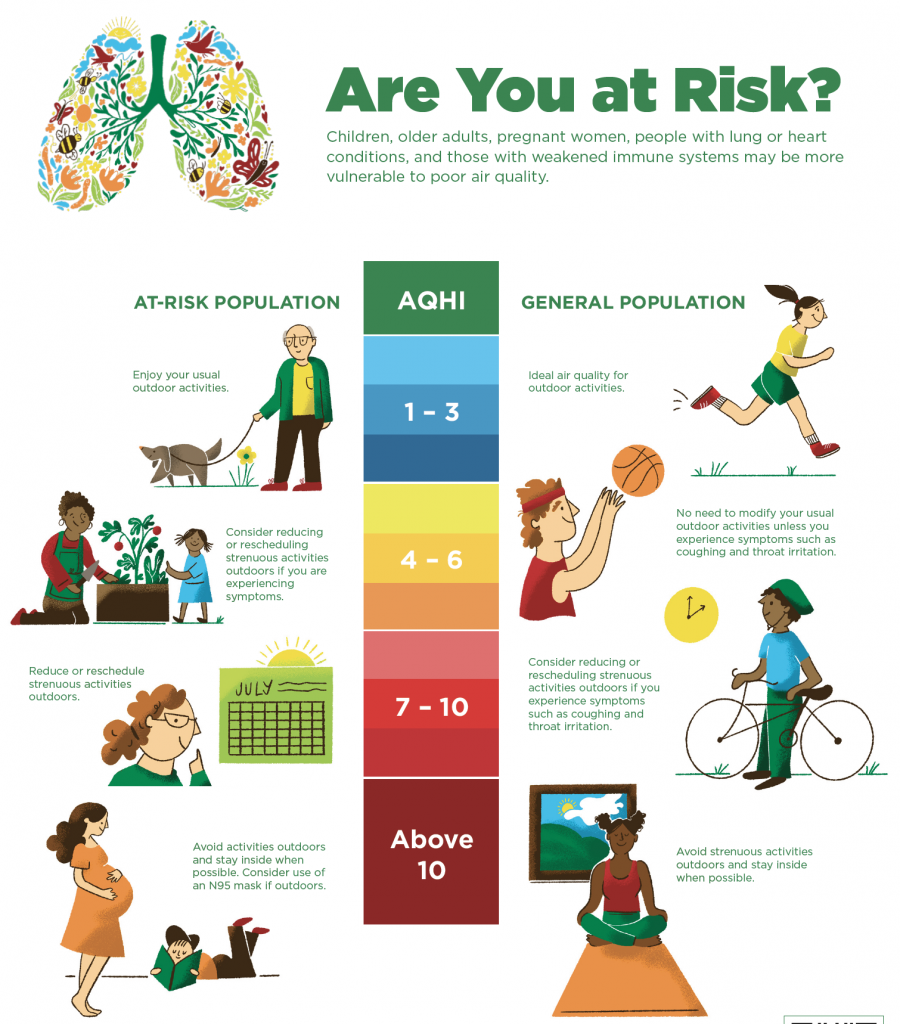
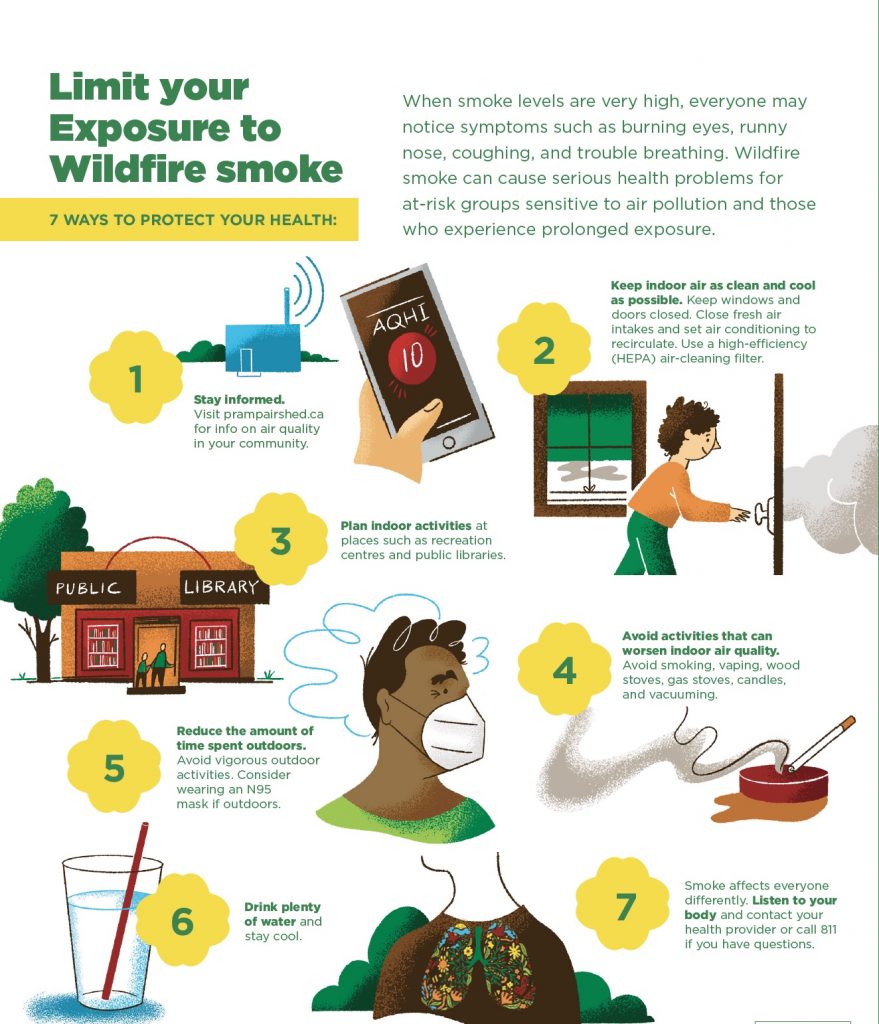
PM2.5 data is not, by itself, an adequate measure of air quality. In Alberta, measurements of three air components are combined into a single number – the Air Quality Health Index (AQHI). The AQHI represents the overall impact of air quality on human health by a scale from 1 (good) to 10+(most harmful).0
Alberta Airsheds Council Air Quality Report
2026 Monthly Summary
All reports are in PDF Format. Click each month to view the report.